Menu
Breweries & distilleries · Ireland
Brewery & distillery
business loans.
Upgrade brewing or distilling equipment, fund your next production run or manage the wait for wholesale customers to pay. We help Irish breweries and distilleries compare equipment finance, business loans and eligible invoice funding through specialist and non-bank lenders.
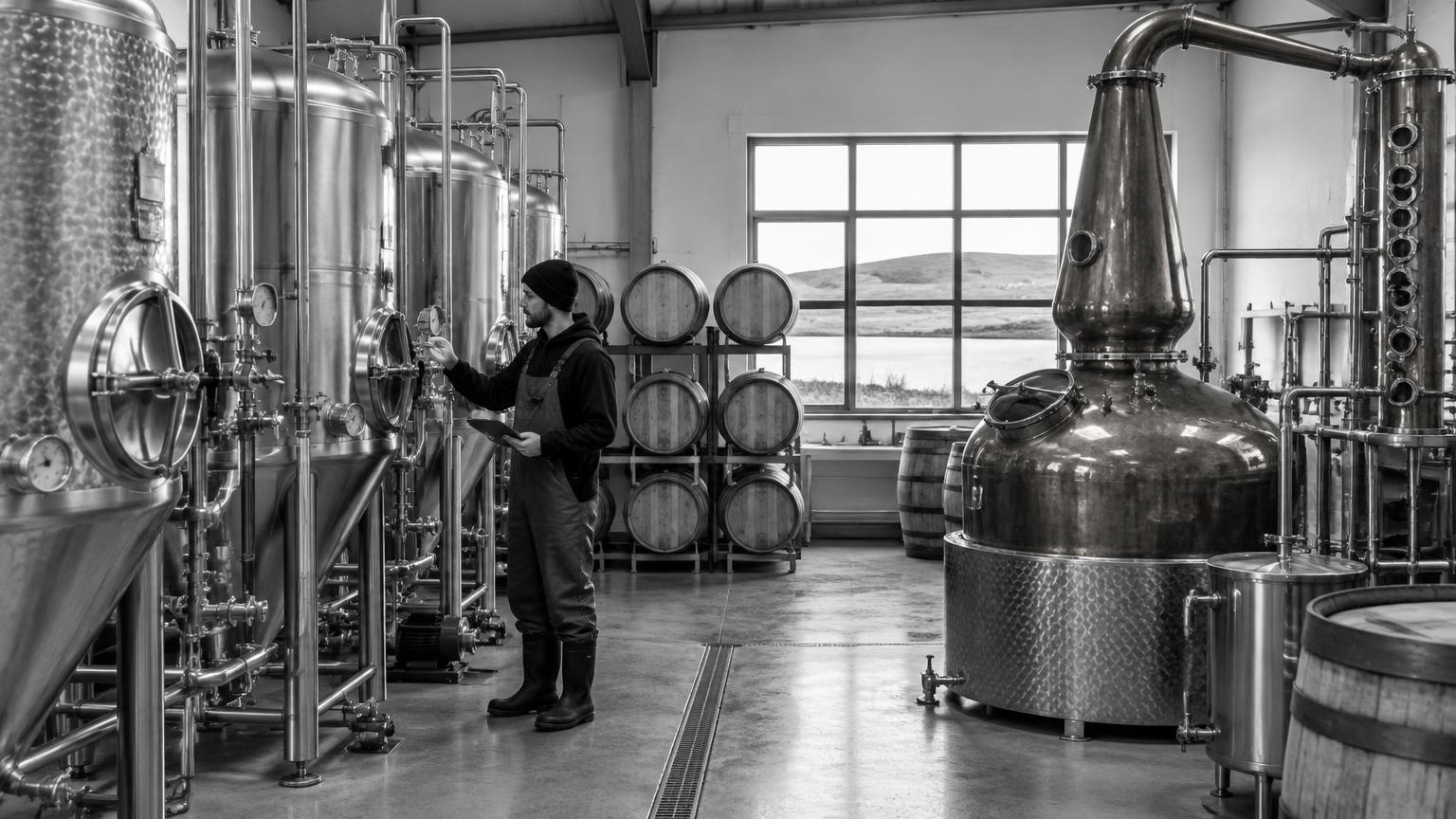
Brewing & distilling equipment
For suitable machinery that increases capacity or replaces ageing equipment.
- Eligible brewhouse equipment, fermentation tanks and distilling equipment
- Suitable cooling systems, bottling, canning and labelling machinery
- Leasing or hire purchase for suitable new or used equipment
- Equipment-finance deals from €10,000, typically with a 10% dealer deposit
- Equipment age, value, supplier and affordability determine the options
- Include delivery, installation and commissioning costs in the quote for review
Ingredients & batch cash flow
For established producers paying business costs before sales arrive.
- Ingredients, bottles, cans, labels, packaging and other production costs
- Wages, energy, premises improvements and business growth
- Term loans require at least 12 months trading and one full year's completed accounts
- Latest accounts showing €100,000 or more turnover and a net profit
- No recent missed payments on business bank statements
- Flexible repayment options from 9 months trading with steady cash flow and around eight or more deposits a month
Wholesale & distributor invoices
For qualifying business-to-business sales already invoiced.
- Invoice finance may release cash from eligible unpaid customer invoices
- A wider ledger facility may suit recurring retailer, pub or distributor sales
- One-off or ad hoc invoices from €100,000
- Customer quality, concentration and payment terms affect eligibility
- Explain sale-or-return terms, credits, disputes and customer deductions
- Future orders, unsold stock and direct consumer sales are not eligible invoices
Seasonal production & growth
Match the funding to when the business will actually receive cash.
- Plan production ahead of seasonal demand and new distribution contracts
- Separate long-life equipment purchases from short-term production costs
- Show fermentation, maturation, storage and customer payment timelines
- Allow for duty and tax payment timing in your cash-flow forecast; check treatment with your accountant
- Long maturation periods need specific lender review, not an assumption that a short-term loan fits
- We do not automatically treat maturing spirit stock or casks as eligible loan security
Business finance only, not personal loans. Unsecured term loans are not registered against property or business assets, but some lenders ask for a personal guarantee. All options depend on lender assessment, purchase suitability and affordability.
From production to payment
A fermentation tank used for years is a different funding need from packaging for next month's batch. Compare asset finance for suitable machinery with term and flexible repayment loans for business costs. For qualifying wholesale sales, explore invoice finance.
Build your forecast around the full production cycle, not just the date a batch leaves the premises. Allow for maturation, stock storage, seasonal demand and customer payment terms. Our food and drink producer page covers related production needs, while pub and bar finance covers customer-facing venues. Just getting started? See new-business finance and supports.
Guides for your industry
16 October 2026
How to Secure Equipment Finance in Ireland: A Guide
Table of Contents How to Secure Equipment Finance in Ireland: Step-by-Step What You'll Need Before You Apply Types of Equipment Finance Available Equipment Finance Application Requirements Documents Lenders Typically Ask
Read guide →
2 November 2026
Invoice Finance Ireland for Growing SMEs
Release cash tied up in unpaid B2B invoices. Understand factoring, invoice discounting, lender fees and the documents Irish SMEs need.
Read guide →
21 April 2026
Working Capital Finance as Costs Rise for Irish SMEs
How Irish SMEs can manage rising costs and cash-flow gaps: compare working capital finance, understand interest-rate risk and check repayments before borrowing.
Read guide →
27 October 2026
How to Prepare a Cash Flow Forecast for Your Small Business
A step-by-step guide to building a 12-month cash flow forecast for your small business in Ireland, with a worked example, a simple template layout and tips for keeping a rolling forecast up to date.
Read guide →
Common questions
Can I finance a brewhouse, still or bottling line?
Suitable new or used production equipment may qualify for leasing or hire purchase. Send a supplier quote showing the equipment, age and value, with installation costs listed separately. Specialist equipment needs lender review; not every machine or associated cost qualifies.
Can a loan cover ingredients, bottles and packaging?
A term loan may help an established brewery or distillery cover production and wider working-capital costs. You need at least 12 months trading and one full year's completed accounts, turnover of €100,000 or more, a net profit and no recent missed bank-statement payments. The lender also checks affordability and existing commitments.
Can invoice finance help while a distributor takes time to pay?
It may suit eligible business-to-business invoices for goods already supplied. One-off or ad hoc invoices start at €100,000; a wider ledger facility is another option. Customer concentration, payment terms, returns and deductions all matter. Future orders and stock still in storage are not the same as qualifying invoices.
Can you finance whiskey while it matures?
Explain the maturation timetable, storage costs and realistic route to sale before choosing finance. A loan with repayments starting now may not suit stock that will generate no sales for years. We do not promise a specialist whiskey-stock or cask-backed facility; any proposal needs specific lender assessment.
Does trade finance cover brewing or distilling ingredients?
Our trade finance option is aimed at eligible physical goods bought and resold. Ingredients transformed into beer or spirits are not automatically eligible. A business loan may be a better fit for production inputs, subject to trading history, accounts and affordability.
Can a new brewery or distillery apply?
Equipment criteria vary, so ask us to review a specific supplier quote. Term loans require one full year's completed accounts and the turnover and profit criteria. Pre-trading and very early-stage businesses should explore banks, Microfinance Ireland and National Enterprise Hub supports; our new-business page explains the stages and earlier cash-finance options.
What should I send to get started?
Send recent business bank statements, latest completed accounts, the amount needed and its purpose. Add supplier quotes for equipment or an aged debtor ledger and sample invoices for invoice finance. Explain production and maturation lead times, seasonal sales, duty payment timing and when customers will pay.
Do you charge a broker fee?
No. We do not charge clients a fee; lenders pay us a commission when funding completes. Lender interest and charges are separate and should be checked before accepting an offer.
Free to you. Lenders pay us a commission when your loan completes. How we get paid