Menu
Kitchen fitters & installers · Ireland
Kitchen fitter
business loans.
Order cabinets and worktops, upgrade your equipment or add a van while keeping money available for wages and everyday bills. We help Irish kitchen fitting and installation businesses compare equipment finance and business loans through specialist and non-bank lenders, from domestic installations to commercial fit-outs.
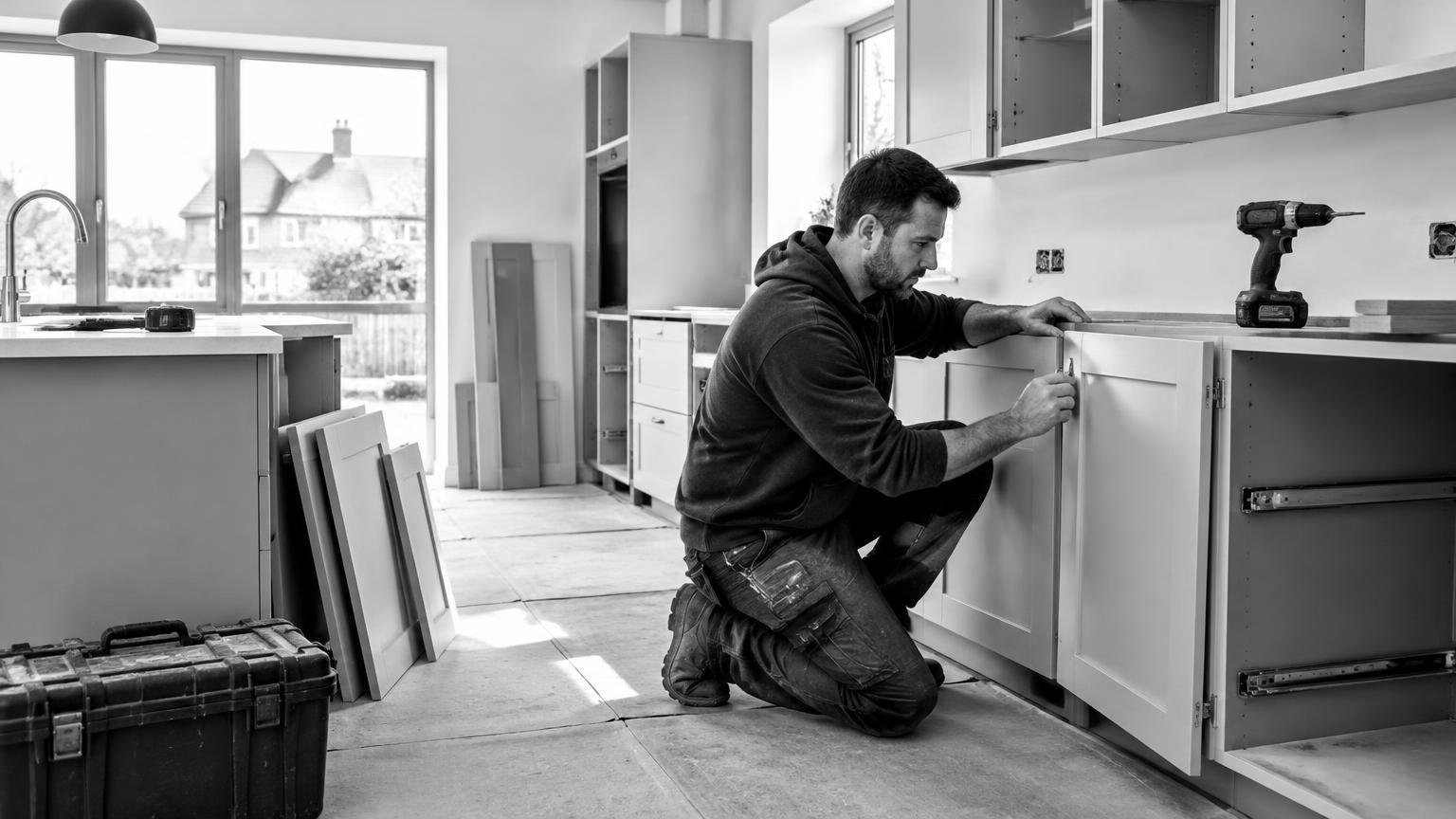
Tools & workshop equipment
For suitable machinery used to prepare, manufacture and install kitchens.
- Eligible panel saws, edge banders, CNC machinery and dust-extraction equipment
- Leasing or hire purchase on suitable new or used machinery
- Equipment-finance deals from €10,000, typically with a 10% dealer deposit
- Smaller tool packages depend on the items and lender
- Send a supplier quote so we can check the equipment and purchase value
- Cabinets and worktops bought for a customer's kitchen are job materials, not your business equipment
Vans & business vehicles
For moving tools, cabinets and your fitting team between jobs.
- Lease or hire purchase may suit eligible new or used vans
- Single vans and growing fleet needs can be considered
- Vehicle age, value, supplier and affordability determine the options
- Compare deposit requirements and VAT timing before choosing
- An unsecured loan may help with a deposit or private-seller purchase, subject to eligibility
Term loans for materials & growth
For established businesses buying job materials or taking on a larger workload.
- Cabinets, worktops, fittings and supplier deposits before installation
- Wages, recruitment, marketing and workshop or showroom improvements
- At least 12 months trading and one full year's completed accounts
- Latest accounts showing €100,000 or more turnover and a net profit
- No recent missed payments on business bank statements
- The lender assesses affordability and existing commitments
Flexible loans & payment gaps
For the gap between paying suppliers and receiving customer payments.
- Flexible repayment options from 9 months trading with steady cash flow
- Around eight or more deposits a month for that flexible repayment option
- Invoice finance may suit eligible business-to-business invoices for completed work
- One-off or ad hoc invoices from €100,000, or a facility for the wider ledger
- Customer deposits, staged payments and installation dates affect how much you need
- Compare the finance cost with the margin on each job
Business finance only, not personal loans or finance for a homeowner's kitchen. Unsecured term loans are not registered against property or business assets, but some lenders ask for a personal guarantee. All options depend on lender assessment, purchase suitability and affordability.
Match the finance to the job
Buying a machine for years of use is different from ordering cabinets for next month's installation. Compare asset finance for suitable equipment with term and flexible repayment loans for materials and wider business costs. Factor in supplier deposits, wages and the timing of customer stage payments.
For qualifying commercial invoices, explore invoice finance. Our joinery finance, trades finance and construction finance pages cover related work. If you are just getting started, see new-business finance.
Guides for your industry
28 October 2026
Funding for Irish Tradespeople: Your Options Explained
Unsecured loans, asset finance, van finance and sole trader lending explained for plumbers, electricians, carpenters and other Irish trades.
Read guide →
16 October 2026
How to Secure Equipment Finance in Ireland: A Guide
Table of Contents How to Secure Equipment Finance in Ireland: Step-by-Step What You'll Need Before You Apply Types of Equipment Finance Available Equipment Finance Application Requirements Documents Lenders Typically Ask
Read guide →
13 November 2026
Van and Commercial Vehicle Finance: Hire Purchase vs Lease vs Loan
Buying a van for your Irish business? Compare hire purchase, leasing and unsecured loans, including 10% deposits, VAT timing, used vans, Northern Ireland dealers and fleet purchases.
Read guide →
21 April 2026
Working Capital Finance as Costs Rise for Irish SMEs
How Irish SMEs can manage rising costs and cash-flow gaps: compare working capital finance, understand interest-rate risk and check repayments before borrowing.
Read guide →
Common questions
Can I finance kitchen fitting tools and machinery?
Suitable workshop and installation equipment may qualify for leasing or hire purchase. Send a supplier quote showing the items and purchase value. Not every small hand tool qualifies; machinery suitability, age, value and business affordability matter.
Can a business loan pay for cabinets and worktops?
A term loan may help an established kitchen fitting business buy job materials and cover supplier deposits. These purchases are different from asset finance for equipment your business uses. Term loans require one full year's completed accounts, turnover of €100,000 or more, a net profit and no recent missed payments.
Can you help me buy a van?
Yes, we can look at leasing or hire purchase for a suitable van. An unsecured business loan may be an alternative for a deposit, a private-seller purchase or a vehicle outside asset lender criteria, subject to eligibility and affordability.
Can I fund an invoice while waiting for a contractor to pay?
Invoice finance may suit qualifying business-to-business invoices for completed work. One-off or ad hoc invoices start at €100,000; a wider ledger facility is another option. Customer eligibility and contract terms matter. Do not assume homeowner invoices, disputed invoices, retentions or future work qualify.
Can a new kitchen fitting business apply?
Equipment and vehicle criteria vary, so ask us to review a specific supplier quote. Term loans need at least 12 months trading and one full year's completed accounts, with the turnover and profit criteria. Our new-business finance page explains earlier cash-finance options and pre-trading supports.
What should I send to get started?
Send recent business bank statements, the amount you need and what it will cover. Include supplier quotes for equipment or a van and your latest completed accounts for a term loan. Explain supplier deposit dates, installation schedules and expected customer payments. We will confirm any further lender requirements.
Do you charge a broker fee?
No. We do not charge clients a fee; lenders pay us a commission when funding completes. Lender interest and charges are separate and should be checked before accepting an offer.
Free to you. Lenders pay us a commission when your loan completes. How we get paid