Menu
Tyre centres & auto parts businesses · Ireland
Tyre & auto parts
business loans.
Keeping the right tyres and parts on the shelf ties up cash — especially when suppliers need paying before trade customers settle. We help Irish tyre centres, motor factors, auto parts retailers and distributors compare stock funding, equipment finance and business loans through specialist and non-bank lenders.
Stock & supplier payments
For eligible tyres and automotive parts bought for resale.
- Supplier invoices for eligible tyres, batteries, brakes, filters and other resale stock
- The trade finance lender pays the supplier; BusinessLoans.ie arranges the facility
- Repayment terms up to 180 days, subject to approval and agreed terms
- Target profile: at least 12 months trading and around €500,000 annual sales
- Ideally profitable, with supplier and transaction checks required
- Match repayments to stock turnover; fitting labour and service-only costs are not resale goods
Tyre fitting & workshop equipment
For suitable machines your business keeps and uses.
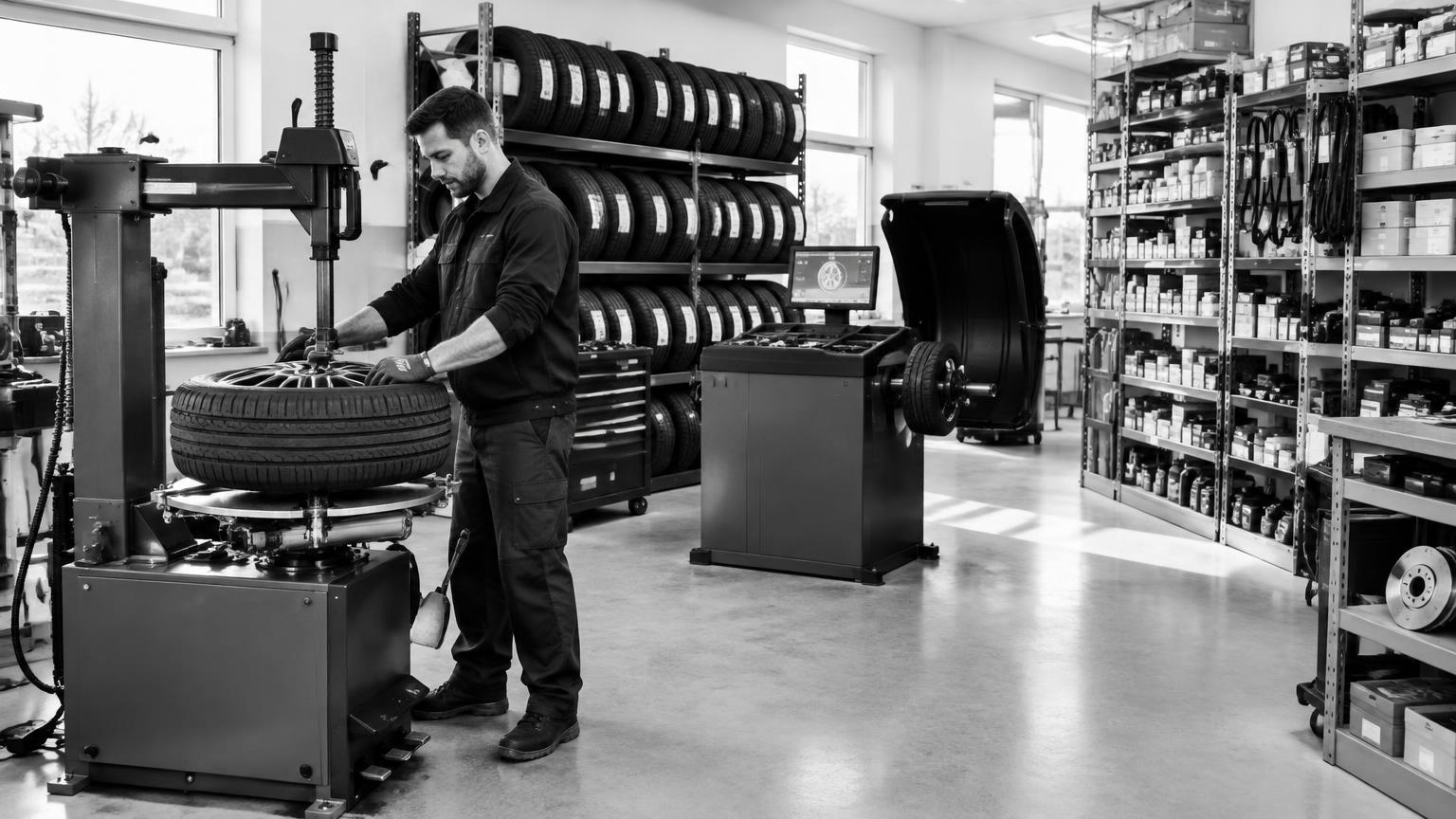
- Eligible tyre changers, wheel balancers, alignment equipment and vehicle lifts
- Leasing or hire purchase for suitable new or used equipment
- Some smaller eligible garage equipment has no-deposit leasing options
- Other equipment deals from €10,000, typically with a 10% dealer deposit
- Supplier quotes, equipment age, value and affordability determine the options
- Tyres and parts held for sale are stock, not workshop equipment assets
Term loans & working capital
For established businesses funding stock, premises and growth.
- Stock purchases, wages, branch improvements and wider business costs
- At least 12 months trading and one full year's completed accounts for term loans
- Latest accounts showing €100,000 or more turnover and a net profit
- No recent missed payments on business bank statements
- Flexible repayment options from 9 months trading with steady cash flow and around eight or more deposits a month
- The lender assesses affordability, existing borrowing and commitments
Invoice finance for trade accounts
For eligible sales already invoiced to garages, fleet operators and other businesses.
- Release cash from qualifying unpaid business-to-business invoices
- A wider ledger facility may suit ongoing wholesale and trade-account sales
- One-off or ad hoc invoice finance starts at €100,000 per invoice
- Customer quality, payment terms and debtor concentration affect eligibility
- Explain credit notes, disputed bills and overdue balances before applying
- Consumer sales, future orders and stock still on the shelf should not be assumed eligible
Business finance only. Supplier trade credit, trade finance and invoice finance are different arrangements; funding does not remove customer credit risk. Unsecured term loans are not registered against property or business assets, but some lenders ask directors for a personal guarantee. All options depend on lender assessment and affordability.
Keep stock moving without squeezing cash flow
Different tyre sizes and vehicle models can mean a lot of cash sitting on shelves. Start with supplier payment dates, how quickly stock sells and when trade customers pay. Trade finance may help with eligible stock purchases, while invoice finance addresses qualifying customer invoices after a sale.
For equipment that earns its keep across many jobs, compare asset finance. Business loans may suit wider costs for an eligible established business. Our garage finance, importer and wholesaler finance and retail finance pages cover related businesses.
Guides for your industry
4 November 2026
Trade Finance in Ireland: Get Your Stock Funded and Take Up to 180 Days to Pay
Buying stock before customers pay? Trade finance can fund eligible supplier invoices and give Irish importers, retailers and wholesalers up to 180 days to repay.
Read guide →
16 October 2026
How to Secure Equipment Finance in Ireland: A Guide
Table of Contents How to Secure Equipment Finance in Ireland: Step-by-Step What You'll Need Before You Apply Types of Equipment Finance Available Equipment Finance Application Requirements Documents Lenders Typically Ask
Read guide →
2 November 2026
Invoice Finance Ireland for Growing SMEs
Release cash tied up in unpaid B2B invoices. Understand factoring, invoice discounting, lender fees and the documents Irish SMEs need.
Read guide →
21 April 2026
Working Capital Finance as Costs Rise for Irish SMEs
How Irish SMEs can manage rising costs and cash-flow gaps: compare working capital finance, understand interest-rate risk and check repayments before borrowing.
Read guide →
Common questions
Can trade finance help buy tyres and auto parts?
It may fund eligible supplier invoices for physical goods your business buys and resells. The lender pays the supplier, with repayment terms up to 180 days where agreed. The target profile is at least 12 months trading, around €500,000 annual sales and ideally a profit. Supplier and transaction checks still apply; fitting labour alone is not a resale-stock purchase.
Is trade finance the same as supplier credit?
No. Supplier credit is the payment time your supplier gives you directly. Trade finance is a separate lender facility that pays an eligible supplier invoice and gives you an agreed repayment schedule. Check how it fits your existing terms, stock-sale dates and other borrowing.
Can I finance a tyre changer or wheel alignment system?
Suitable tyre fitting and garage equipment may qualify for leasing or hire purchase. Some smaller eligible garage equipment has no-deposit leasing options; other equipment deals typically require a deposit. Send the supplier quote with the equipment details so we can check the available options.
What if garages or fleet customers pay on account?
Invoice finance may suit qualifying invoices issued to business customers after goods or eligible services have been supplied. The lender reviews your ledger, customers, credit terms and any existing facilities. It is not a substitute for customer credit checks or chasing overdue balances.
Can I fund a single large wholesale invoice?
One-off or ad hoc invoice finance starts at €100,000 per invoice. The invoice and customer must meet lender criteria. A wider ledger facility may be more suitable for several recurring trade accounts; future orders and disputed invoices should not be assumed eligible.
Can a term loan fund stock or a second branch?
A term loan may help an established business fund stock, premises improvements, staff and growth. Lenders need at least 12 months trading and one full year's completed accounts, turnover of €100,000 or more, a net profit and no recent missed payments on business bank statements. Affordability and existing commitments also matter.
Can stock funding and invoice finance work together?
They may address different stages of the cash cycle: buying stock and releasing cash from eligible customer invoices. Combining facilities needs lender agreement and a review of existing security, assignments and repayment commitments. Do not assume the same transaction can be financed twice.
What should I send to get started?
Send recent business bank statements, your latest completed accounts, the amount needed and its purpose. For stock finance, include supplier invoices or pro forma invoices and expected sale dates. For equipment, include supplier quotes. For invoice finance, include an aged debtor ledger, sample customer invoices and trade-account terms.
Do you charge a broker fee?
No. We do not charge clients a fee; lenders pay us a commission when funding completes. Lender interest and charges are separate and should be checked before accepting an offer.
Free to you. Lenders pay us a commission when your loan completes. How we get paid