Menu
Scaffolding businesses · Ireland
Scaffolding finance
& business loans.
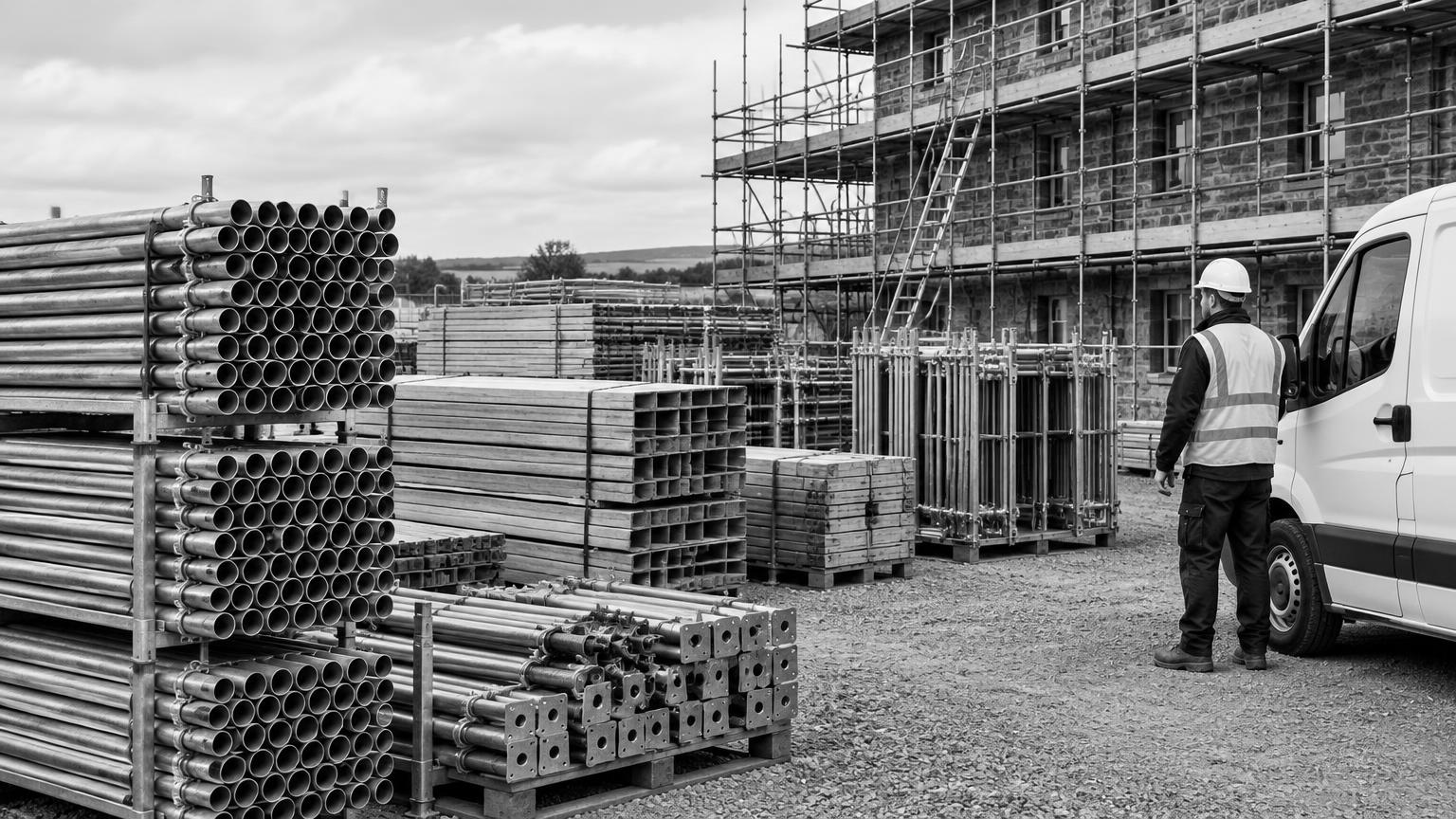
Scaffolding can be harder to finance than a single machine: it is made up of many smaller pieces, and traceability can be a sticking point for lenders. We work with asset finance lenders who can help with scaffolding, as well as vans and machinery. Term loans and other business funding can support wider growth and cash-flow needs.
Asset finance for scaffolding
For scaffolding businesses investing in additional stock and equipment.
- We have asset finance lenders who can consider scaffolding purchases
- Smaller individual components and traceability can make some lenders reluctant
- The right lender matters—not every asset finance provider accepts scaffolding
- Send a detailed supplier quote showing the components and total purchase value
- The lender reviews the purchase, supplier and business affordability
- Deposit and repayment terms depend on the specific offer
Vans & machinery
For moving scaffolding, handling equipment and supporting site work.
- Hire purchase or leasing may suit eligible vans and machinery
- Suitable new or used equipment can be considered
- Other equipment-finance deals from €10,000
- Those equipment deals typically involve a 10% dealer deposit
- Supplier, age, value and affordability determine the options
- Tell us if finding the deposit would put pressure on working capital
Term loans for growth & working capital
For established scaffolding businesses funding a wider business investment.
- Stock purchases, recruitment, yard improvements and everyday working capital
- At least 12 months trading and one full year's completed accounts
- Latest accounts showing €100,000 or more turnover and a net profit
- No recent missed payments on business bank statements
- The lender assesses affordability and existing commitments
- A term loan may be an alternative when the equipment purchase is not suitable for asset finance
Flexible loans & invoice finance
For cash-flow needs between paying staff and receiving customer payments.
- Flexible repayment options from 9 months trading with steady cash flow
- Around eight or more deposits a month for that flexible repayment option
- Invoice finance may suit eligible business-to-business invoices for completed work
- One-off or ad hoc invoices from €100,000, or a facility for the wider ledger
- Customer quality, contracts and invoice eligibility need lender review
- Compare total cost and repayment commitments with your actual cash flow
BusinessLoans.ie arranges business finance only, not personal loans. Unsecured term loans are not registered against property or business assets, but some lenders ask for a personal guarantee. All options depend on lender assessment; a lender considering scaffolding does not mean every purchase will be approved.
Start with the right lender for the purchase
Scaffolding is not always assessed in the same way as a van or a machine. A clear breakdown of the purchase helps us approach lenders who can consider it. Compare asset finance with term and flexible repayment loans where the need also includes wages, transport or wider business costs.
For eligible customer-payment gaps, explore invoice finance. Our construction finance page covers broader contractor funding, while the van finance guide explains deposits and VAT considerations for vehicle purchases.
Guides for your industry
16 October 2026
How to Secure Equipment Finance in Ireland: A Guide
Table of Contents How to Secure Equipment Finance in Ireland: Step-by-Step What You'll Need Before You Apply Types of Equipment Finance Available Equipment Finance Application Requirements Documents Lenders Typically Ask
Read guide →
13 November 2026
Van and Commercial Vehicle Finance: Hire Purchase vs Lease vs Loan
Buying a van for your Irish business? Compare hire purchase, leasing and unsecured loans, including 10% deposits, VAT timing, used vans, Northern Ireland dealers and fleet purchases.
Read guide →
6 November 2026
Finance for Small Construction Companies in Ireland: What's Available and How to Line It Up
Most small builders are not short of work — the squeeze is cash flow. How unsecured loans, bridging finance and development finance each fit a different problem for Irish construction firms.
Read guide →
2 November 2026
Invoice Finance Ireland for Growing SMEs
Release cash tied up in unpaid B2B invoices. Understand factoring, invoice discounting, lender fees and the documents Irish SMEs need.
Read guide →
Common questions
Why can scaffolding be difficult to finance?
Unlike a single vehicle or machine, scaffolding consists of many smaller pieces. Identifying and tracing those components can be harder, which makes some asset finance lenders reluctant. We have lenders who can help with scaffolding, so an unsuitable response from one provider does not necessarily mean there are no options.
Can you arrange asset finance for scaffolding itself?
Yes—we work with asset finance lenders who can consider scaffolding. Send a supplier quote with the component details and purchase value. The lender still needs to assess the equipment, supplier and your business; acceptance and terms are not automatic.
Can finance cover vans and machinery too?
Eligible vans and machinery may suit hire purchase or leasing. Send the supplier quote and details of each item. The lender checks age, value, supplier and affordability, and we can compare the options alongside any scaffolding purchase.
Could I use a term loan instead of asset finance?
A term loan can be considered for wider business expenditure or an equipment purchase that does not fit asset finance. You need at least 12 months trading, one full year's completed accounts, turnover of €100,000 or more, a net profit and no recent missed payments. The lender also assesses affordability.
Can invoice finance help while contractors take time to pay?
Possibly, for qualifying business-to-business invoices. The lender assesses the customer, contract terms and invoice eligibility. One-off or ad hoc invoices start at €100,000; a wider ledger facility is another route. Do not assume future work, disputed invoices or retentions are automatically eligible.
What should I send to get started?
For scaffolding, send a detailed supplier quote showing what you are buying, along with recent business bank statements. Include vehicle or machinery quotes for other purchases. For term loans, have your latest completed accounts ready and explain the amount needed and its purpose. We will confirm further lender requirements.
Do you charge a broker fee?
No. We do not charge clients a fee; lenders pay us a commission when funding completes. Lender interest and charges are separate and should be checked in the offer.
Free to you. Lenders pay us a commission when your loan completes. How we get paid